

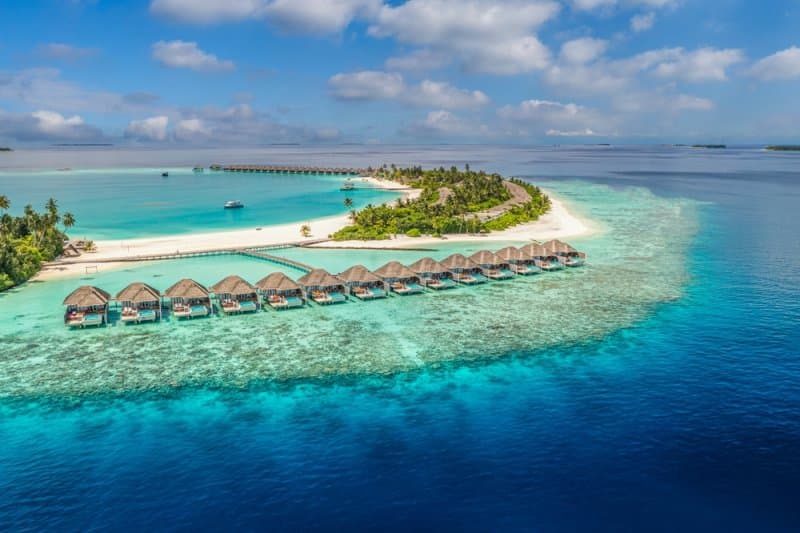
Putting your face beneath calm turquoise water for the very first time feels like stepping onto another planet without leaving Earth. Finding the Best Snorkeling Destinations transforms nervous first-timers into confident ocean explorers within minutes. According to marine recreation data from the National Oceanic and Atmospheric Administration and the Outdoor Industry Association, over eleven million Americans enjoy snorkeling annually, with sheltered shallow bays under twenty feet deep offering the safest, clearest conditions for beginners. When gentle waves cradle you above glowing coral and curious sea turtles, any fear of deep water melts away instantly.
Choosing calm, beginner-friendly bays removes strong currents and rough surf from your first underwater adventure. It lets you focus purely on slow breathing and taking in the colorful marine world below.
In this practical travel guide, we showcase ten easy snorkeling destinations and the best places to snorkel for first-timers, highlight top snorkeling destinations in the USA and the best beaches for beginner snorkeling, determine the best time to go snorkeling, and share essential snorkeling tips for first-timers alongside snorkeling safety tips.
Exploring these ten best places to snorkel for first-timers highlights calm, accessible waters across top snorkeling destinations in the USA and nearby tropical shores.
Formed inside a collapsed volcanic crater along Oahu's southeastern coast, Hanauma Bay acts like a giant natural saltwater classroom shielded from open ocean swells. The curved reef walls create waist-deep inner lagoons where beginners can stand comfortably while adjusting their masks. Strict daily visitor limits and mandatory conservation education keep the coral thriving and the water extraordinarily clear. It remains one of the most welcoming spots in the Pacific for taking your first underwater breaths.
Recognized as America's very first undersea park, John Pennekamp Coral Reef State Park spans seventy nautical square miles of warm, gentle Atlantic waters. Beginners can ease into the water along calm mangrove trails near shore before joining a guided boat excursion out to shallow patch reefs. Minimal surf and attentive boat crews make first-timers feel safe right away. Its combination of easy access and vibrant coral gardens makes Key Largo an unforgettable starting point.
Tucked between dramatic sandstone cliffs in Southern California, La Jolla Cove offers a compact, sandy beach entry into a thriving ecological reserve. The surrounding cliffs block heavy Pacific swells, creating calm surface conditions ideal for newcomers. Swimming just yards from shore brings you face to face with towering kelp forests and playful marine mammals. Because the water stays cool year-round, renting a wetsuit adds both warmth and natural buoyancy for easy floating.
Frequently ranked among the world's most picturesque beaches, Trunk Bay pairs powdery white sand with calm, bathwater-warm Caribbean waves. The crescent shoreline protects swimmers from brisk trade winds while offering effortless walk-in ocean access. What makes this beach truly special for beginners is its self-guided underwater trail marked with submerged plaques identifying local corals and fish. You can float peacefully at your own pace while learning exactly what you are seeing below.
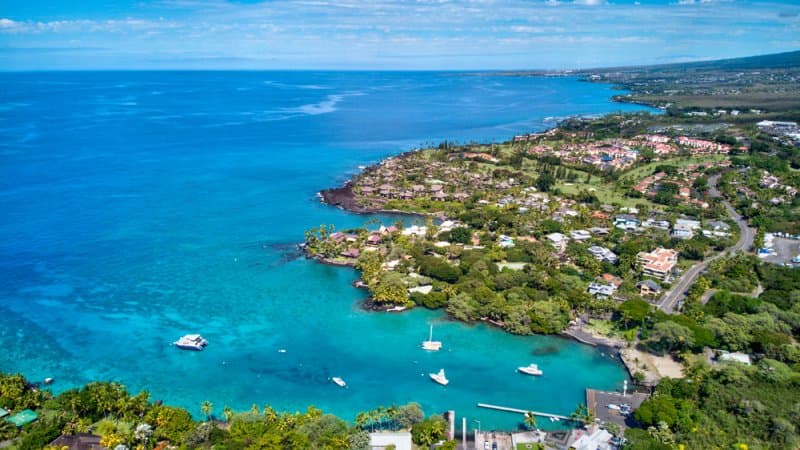
Surrounded by towering volcanic cliffs along the Big Island's Kona coast, Kealakekua Bay enjoys some of the calmest, clearest ocean conditions in Hawaii. Because the prime reef near the Captain Cook Monument is reachable only by boat, kayak, or guided tour, the underwater habitat stays remarkably pristine. Steep underwater drop-offs start right near shallow coral shelves, allowing beginners to hover comfortably in calm surface water. Spinner dolphins frequently glide through the bay during quiet morning hours.
Located seventy miles west of Key West, this remote cluster of sandy islands rewards adventurous beginners with crystal-clear Gulf waters and zero urban runoff. Visitors arrive via high-speed catamaran or seaplane, stepping directly onto soft coral beaches framing historic Fort Jefferson. Shallow moat walls and nearby reef pilings sit in calm, knee-to-chest-deep water teeming with colorful tropical fish. Full-day boat operators provide fitted gear, safety briefings, and shaded decks for effortless relaxation.
Set along Kauai's sunny southern coastline, Poipu Beach Park features a unique natural sandbar that separates two protected bays. A shallow, rock-rimmed wading pool on the eastern side blocks incoming waves completely, creating a safe training ground for nervous swimmers and young families. Full-time lifeguards monitor water conditions daily while tropical reef fish dart around submerged lava boulders just steps from shore. You can practice breathing calmly in shallow water before venturing slightly deeper.
Tucked inside the protected Luis Peña Channel Natural Reserve, Tamarindo Beach offers a tranquil Caribbean escape just a short hop from mainland Puerto Rico. Gentle currents and glassy turquoise waters make wading in from the shoreline completely stress-free for first-time visitors. Lush underwater seagrass meadows begin mere yards from the beach, attracting dozens of grazing sea turtles daily. Because visibility frequently stretches past eighty feet, you can watch marine life clearly without swimming far out.
For travelers who feel nervous about ocean waves or salty water, Three Sisters Springs delivers a magical freshwater alternative along Florida's Nature Coast. Fed by natural underground springs, the water stays a refreshing 72 degrees with gin-clear visibility all year long. Calm, shallow waterways allow beginners to float effortlessly while observing gentle West Indian manatees resting along the sandy riverbed. Strict eco-tourism rules ensure peaceful, respectful encounters without heavy boat traffic.
Rising like a crescent moon three miles off Maui's southwestern shoreline, Molokini Crater is a partially submerged volcanic caldera forming a natural marine sanctuary. Its curved lava walls shield the inner basin from open ocean swells, creating calm, aquarium-like conditions. Because no sandy beaches erode into the crater, underwater visibility routinely exceeds one hundred fifty feet. Morning catamaran tours supply flotation noodles, vests, and attentive guides who watch over beginners every minute.
Try This: Australia Travel Review: Luxury Australia Vacation - Activities, snorkeling, koalas, kangaroos..
Knowing the best time to go snorkeling alongside choosing the best beaches for beginner snorkeling guarantees calmer waves and brighter underwater colors.
Morning hours between eight and eleven o'clock consistently provide the flattest water surface before afternoon trade winds stir up sand. Selecting sandy entry beaches with full-time lifeguards and natural offshore reefs shields beginners from open ocean swells.
Following practical snorkeling tips for first-timers and proven snorkeling safety tips builds immediate confidence in open water.
Essential Reads: Love Whitewater Rafting? Here Are The Best Spots In The USA
Discovering the underwater world for the very first time creates joyful memories that last long after your beach towel dries. In this travel guide, we explored ten calm, beginner-friendly coastal bays across Hawaii, Florida, California, and the Caribbean, explaining why each suits newcomers, where to swim, what marine life to expect, nearby airports, and standout local highlights. We also covered why morning sessions deliver the clearest visibility and shared simple gear and safety habits to keep your first ocean swim relaxed and memorable.
Starting in sheltered, shallow waters lets you breathe slowly, float effortlessly, and fall in love with ocean exploration at your own pace. Every gentle fin kick reveals colorful marine life waiting just beneath the surface.
To discover inspiring coastal travel guides, explore unforgettable outdoor leisure destinations, and plan your next relaxing getaway today, visit our website leisure.com, and travel platform to start your next adventure.
Applying a drop of commercial anti-fog spray or mild baby shampoo onto dry glass lenses, rubbing gently with your fingertip, and rinsing lightly with water before entering the ocean prevents condensation buildup. Avoid spitting into masks near coral reefs, and keep your mask seated securely on your forehead rather than resting it on top of your head between swims.
Yes, travelers who wear prescription eyeglasses can purchase affordable optical dive masks fitted with negative or positive diopter lenses matching their exact vision prescription. Alternatively, wearing soft daily disposable contact lenses beneath a properly sealed standard snorkel mask allows crystal-clear underwater viewing without worrying about bulky eyeglass frames breaking the silicone face seal.
If a small wave splashes water into the top of your snorkel tube, stay calm, keep your lips sealed firmly around the mouthpiece, and exhale one sharp, forceful puff of air like blowing through a straw. That quick burst clears water instantly through the top or bottom purge valve without needing to lift your head.
Yes, chemical sunscreens containing oxybenzone and octinoxate wash off swimmers' skin and bleach fragile coral larvae even in tiny concentrations. Choosing non-nano zinc oxide mineral sunscreen alongside wearing a long-sleeve UPF fifty rash guard shirt protects your back from sunburn while keeping delicate marine ecosystems healthy and vibrant.
Renting a complete mask, dry snorkel, and fin set at beachfront outfitters in Hawaii, Florida, or the Caribbean typically costs between fifteen and $35 per day, with weekly packages offering deeper discounts. Many travelers prefer buying their own custom-fitted silicone mask at home while renting bulky fins at their destination.
This content was created by AI