

An upset stomach really can throw off your whole day. You’re going along fine, then suddenly you’re dealing with nausea, cramps, or just feeling “off.” Food becomes a minefield—what’s safe, what’s not, and honestly, you just want something that won’t make things worse.
That’s where the BRAT diet comes into the conversation. Maybe you’ve heard friends talk about it (or parents, or doctors), maybe you’ve tried it yourself. But does sticking to bananas, rice, applesauce, and toast actually help speed up recovery? Or is it just one of those old-school home remedies that sticks around because people like saying “BRAT diet”?
Let’s untangle all that. First up, what’s the BRAT diet, why do people use it, and does it actually help your gut bounce back?
When your stomach feels off, your body usually needs a break from heavy, complex foods. The BRAT diet is designed around that idea. It focuses on simple, easy-to-digest foods that don’t irritate your gut.
Before we get into effectiveness, it helps to understand what is the brat diet and why it’s often recommended.
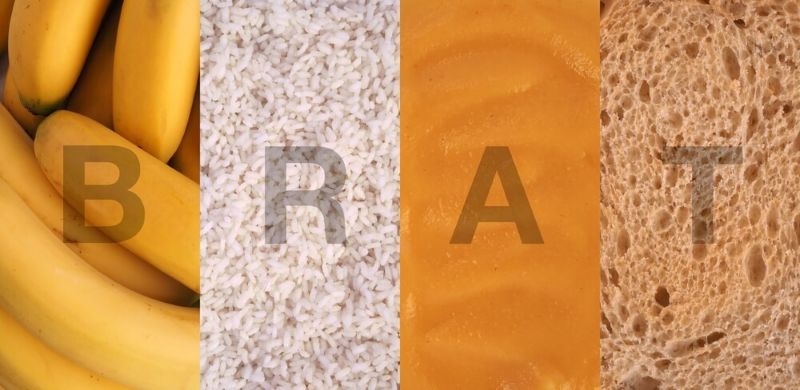
The BRAT diet is pretty simple: Bananas, Rice, Applesauce, Toast. Four foods, all bland as can be, low in fiber, gentle on a cranky stomach. None of them go wild on your digestion, which helps dial down symptoms like diarrhea or nausea.
Bananas pack in some potassium (which your body tends to lose if you’re dealing with stomach problems). Rice and toast give you easy carbs for energy. Applesauce lets you sneak in a bit of fruit without making your stomach work too hard.
It’s stripped down, I won’t lie. But that’s kind of the point.
When your stomach’s upset, it needs a break from anything too rich or complicated. The BRAT diet cuts out most things that could stir up trouble—no spice, no fat, nothing that’s tough to digest. This means less risk of nausea, loose bowels, or that horrible cramping.
Bland foods matter because they’re easy to digest, don’t ramp up stomach acid, and generally let your tummy chill out. And rice or toast can help firm up stools, which is why doctors often recommend them when you’ve got diarrhea.
But you don’t want to live on the BRAT diet for days on end—it’s not really about nutrition, just making it easier for your digestive system to bounce back.
A lot of people think the BRAT diet is just for kids, probably because pediatricians used to hand it out like candy for stomach bugs. Reality is, adults can benefit from this approach too—at least, for a day or two when you’re dealing with food poisoning, stomach flu, diarrhea, or just bouts of nausea.
You’re not going to get a full, balanced diet right away, and that’s fine. The first priority is settling your system down, not fueling up for a marathon.
Just remember—the BRAT diet is a “short-term” fix. Most doctors recommend keeping it to about 24–48 hours, tops, before slowly bringing back other foods.
At first glance, the brat diet list seems extremely restrictive. Just four foods can feel repetitive quickly.
But there’s a bit more flexibility than people assume.
The core brat diet food list includes:
These foods form the foundation. They’re safe, predictable, and easy on digestion.
Once symptoms begin to improve, some people expand the list slightly. This can include:
No need for variety during this phase. It’s just about keeping things simple, comfortable, and manageable.
Here’s the million-dollar question. Does sticking with BRAT foods speed up your recovery?
Sort of—it works for managing symptoms and keeping things from getting worse. Less digestive strain means your stomach has time to rest, and sometimes, that’s exactly what it needs.
The flip side? The BRAT diet doesn’t have much protein, healthy fat, or a range of vitamins and minerals. So, while it’s good for calming things down, it doesn’t accelerate healing all that much.
People often follow the BRAT diet with good intentions. Still, a few common mistakes can limit its effectiveness.
Let’s clear those up.
The worst move is staying on the BRAT diet for days, which leaves your body short on nutrients and energy. Once the worst symptoms fade, start bringing back lean proteins (like chicken or eggs), cooked veggies, and maybe yogurt for belly health. Complex carbohydrates aren’t enough.
Food matters, but fluids and hydration are just as important. You lose a lot of water with stomach upsets, so drink beyond just water—electrolyte drinks or oral rehydration solutions help your body recover faster.
The BRAT diet is helpful, but it works best as part of a broader approach. Here’s where things get more practical.
A few habits can make a noticeable difference:
It’s not about perfection. It’s about making your body’s job easier while it gets back to normal.
So, does the BRAT diet speed up recovery from an upset stomach? Not really, at least not in the way most people hope. It won’t heal you faster, but it creates a safe zone for your stomach to settle down and stops things from getting worse.
Used for a day or two, the BRAT diet is a handy tool. Just don’t make it your go-to for longer than that. As you start to feel better, bring back balanced foods so your body has what it needs to fully recover.
Keep it simple, keep it gentle, keep it short. That’s the real benefit.
Milk is usually avoided during the early stages of stomach upset because it can be harder to digest. Once symptoms improve, you can slowly reintroduce dairy products and see how your body responds.
Yes, it can be used briefly for mild digestive issues during pregnancy. However, it should not replace a balanced diet for long periods, and consulting a healthcare provider is always a good idea.
The BRAT diet may reduce irritation temporarily since the foods are bland. However, it is not specifically designed for acid reflux and may not address underlying causes.
For children, the diet can help manage short-term symptoms like diarrhea. Still, pediatricians now recommend reintroducing a balanced diet sooner to ensure proper nutrition and energy levels.
This content was created by AI