

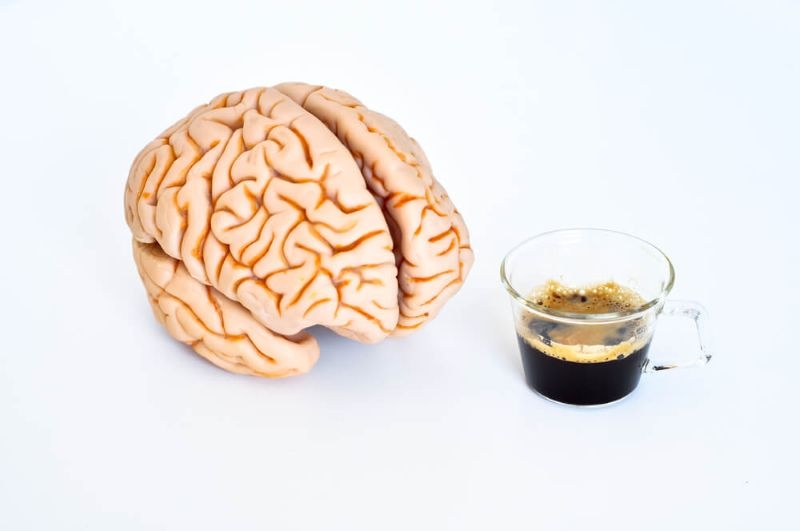
In almost every kitchen in America, coffee is left on countertops. It is easily used in a daily routine without ever giving it much thought. Coffee is associated with waking people up, smelling comforting, and feeling familiar, but the benefits it has for the body go much deeper than simply waking people up. Many people wonder what coffee does to their bodies and whether it is suitable for them when they start running through the same routine each day.
It is essential to understand the health benefits of coffee so they can understand why some people find drinking coffee daily beneficial, while others do not. In the following sections, we will break all this down into unambiguous, simple language, as if we were explaining it to someone who has never heard of this coffee before.
Coffee starts working fast. Caffeine enters the bloodstream within minutes and signals the brain to stay alert. This is where what coffee does to your body becomes noticeable right away. Focus improves, tired signals slow down, and reaction time often feels quicker.
Common short-term coffee effects on the body include:
For most healthy adults, these changes feel regular and temporary. The body adjusts without stress when intake stays reasonable.
We’ve Covered This in Detail Here: Reading Food Labels: Make Healthier Choices for Your Family
The brain responds strongly to caffeine. Coffee's effects on the body include stimulating brain activity and supporting mental performance. Many regular coffee drinkers notice better focus, improved short-term memory, and less mental fog during the day.
The benefits of coffee for the brain occur because caffeine blocks chemicals that cause sleepiness. What this really means is the brain stays active longer and handles tasks more easily. Drinking coffee every day may also support long-term brain health, though results differ from person to person.
Coffee does more than wake the body. It can also lift mood. Coffee affects the body by releasing feel-good brain chemicals that help reduce feelings of low mood.
Benefits of drinking coffee daily often include:
Here’s the thing, though. Too much coffee can flip the effect. Shaky hands, a fast heartbeat, or nervous feelings may appear when intake goes too high.
The question comes up often. Whether coffee is good for you depends mainly on balance. Coffee contains antioxidants that help protect cells from damage. These natural compounds support overall health when coffee is kept simple.
Coffee benefits may include:
Coffee affects the body when sugar and heavy cream are added. Too much sugar turns coffee into a dessert, not a health drink. So is coffee good for you? Yes, when consumed in moderation and without excess additives.
Coffee interacts quickly with the digestive system. Drinking coffee every day helps stimulate digestion for many people, which explains why mornings feel easier after a cup.
However, the effects on the body vary. Some people may experience:
Listening to body signals helps determine the right amount and timing.
Don’t Miss Out: The Importance of Hydration: Keeping Your Family Hydrated
Caffeine affects the heart in mild ways. A temporary rise in heart rate or blood pressure may occur. For most healthy adults, this effect fades quickly.
What does coffee do to your body long-term?
Drinking coffee every day is generally safe, but excess intake or existing heart conditions may require caution.
Coffee and physical activity pair well. Many athletes use caffeine before workouts. Benefits of drinking coffee daily include improved endurance, enhanced muscle response, and reduced perceived effort during exercise.
Coffee affects the body by helping release stored fat for energy, making workouts feel less tiring. This does not mean more coffee leads to better results. Moderate intake delivers the best balance.
Coffee supports mornings but can disrupt nights. Caffeine stays active in the body for several hours. Late-day intake often interferes with sleep quality.
Coffee's effects on the body related to sleep include:
Drinking coffee every day works best when intake is limited to the morning or early afternoon.
There is no “one amount” of coffee that is right for everybody; different bodies process caffeine differently. Generally speaking, consuming between two to four cups of coffee spaced throughout the day, while avoiding coffee too late in the day, and drinking enough water on days that you do consume coffee,, will both keep you hydrated as well as help to preserve the overall quality of your coffee.
When consumed in moderation, the impact on the body is generally positive, as the beneficial effects result from consistent consumption rather than excessive quantity.
Coffee offers a simpler caffeine source compared to energy drinks. Coffee benefits come from natural caffeine without heavy additives. Energy drinks often include high sugar and multiple stimulants.
Is coffee better for you than those options? In most cases, yes. Coffee's effects on the body tend to be more predictable and gentle.
Myths persist about coffee. Moderate consumption of coffee does not lead to dehydration; does not slow a person’s physical growth; and does not negatively impact the health of the heart among healthy individuals. Recognizing and understanding the actual health benefits of coffee will help alleviate unfounded fears about the substance.
Learn More Here: Discover Top Nutrition Trends for American Families
Coffee effects on the body depend on timing, amount, and individual health. Coffee benefits include improved focus, steady energy, and a better mood when used wisely. Drinking coffee every day works well in moderation. Understanding what coffee does to your body makes answering "Is coffee good for you?" much easier.
Drinking coffee every day is safe for most adults when intake stays moderate and is timed earlier in the day.
It boosts alertness, increases energy, and helps the brain wake up faster.
Yes, plain coffee provides more coffee benefits and fewer health risks.
Benefits of drinking coffee daily include better focus, steady energy, improved mood, and support for physical performance.
This content was created by AI