

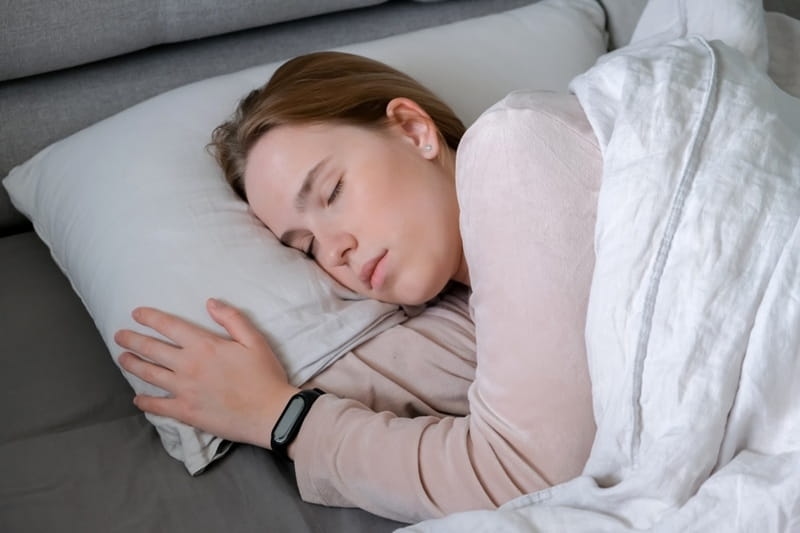
When people talk about getting stronger, they usually talk about reps, sets, protein shakes, and maybe a fancy smartwatch. Sleep often gets a polite mention and then quietly ignored. That’s a mistake. The real gains, the kind you can feel when you climb stairs or lift groceries without thinking, often happen when you’re asleep. This article looks at why rest matters, how muscle recovery sleep actually works, and how simple habits around sleep for workout recovery can change the way your body responds to training. If you’ve ever wondered why you train hard but still feel flat, or why some weeks feel amazing, and others feel rough, you’re in the right place.
Sleep recovery after exercise is not a luxury add-on. It’s the base layer. Without it, training stress piles up and progress slows to a crawl. This section sets the tone for why sleep deserves the same respect as your workout plan.
Here’s the thing. Lifting weights or running miles doesn’t build muscle by itself. Exercise creates tiny tears in muscle fibers. That sounds bad, but it’s actually the signal your body needs to rebuild stronger tissue.
While you sleep, your body shifts into repair mode. Blood flow changes. Energy gets redirected. Those micro-tears start knitting back together. Skip enough sleep, and that process stays unfinished. You wake up sore, sluggish, and maybe a little cranky.
Sleep is prime time for hormone activity. Growth hormone, in particular, peaks during deep sleep for muscle repair. This hormone helps shuttle nutrients into muscles and supports tissue growth.
If sleep is short or broken, those hormone pulses drop. Over time, that can mean slower gains and longer recovery windows. You know what? It can even mess with appetite and mood, which then affects training motivation. It’s all connected.
Recovery sounds lazy, but it’s anything but. Your body is busy during sleep. Think of it like road work at night. Traffic stops, crews roll in, and repairs get done, so everything runs smoothly by morning.
When sleep recovery after exercise is solid, you feel that smoothness. Joints move better. Muscles respond faster. Workouts feel sharp instead of heavy.
Exercise recovery sleep benefits stretch further than sore quads or biceps. This section widens the lens to show how sleep supports your whole system, not just muscle tissue.
Training taxes your nervous system. Fast lifts, sprinting, and even steady cardio all send signals through nerves that need time to reset.
Good sleep helps recalibrate those signals. Reaction time improves. Coordination feels natural again. Ever notice how a bad night of sleep makes even light workouts feel clumsy? That’s your nervous system asking for a break.
Sleep also keeps your immune system in fighting shape. Not getting enough sleep, and you’re more likely to catch a cold or feel run-down. Miss workouts because you’re sick, and consistency takes a hit.
Consistency is where results come from. Not heroic single sessions, but showing up week after week. Exercise recovery sleep benefits help protect that rhythm.
Let’s be honest. Training is as mental as it is physical. Sleep affects mood regulation. When you’re well-rested, motivation feels lighter. Decisions come easier.
On poor sleep, everything feels like a negotiation. Do I train or skip? Do I push or coast? Solid sleep tilts those answers in your favor.
Read More: Green Exercise: Revitalize Mind, Body & Soul in Nature
Muscle recovery sleep has some clear science behind it. This section explains what’s happening under the hood, without getting lost in jargon.
Protein synthesis is the process your body uses to build new muscle proteins. It runs all day, but it gets a boost during sleep, especially after training.
When sleep is cut short, protein synthesis slows. That means the protein you eat is not used as efficiently. You could be eating all the right foods and still underperform if sleep is lacking.
Exercise creates inflammation. That’s normal and even helpful in small doses. Sleep helps regulate that inflammation so it doesn’t linger.
Poor sleep lets inflammation hang around. That can show up as joint stiffness, nagging aches, or just feeling worn down. Muscle recovery sleep keeps that balance in check.
Muscles rely on glycogen for fuel. Sleep supports the processes that restore these energy stores. Without enough rest, muscles start workouts half empty.
That’s when workouts feel harder than they should. Pace drops. Strength stalls. You might blame age or stress, but sleep is often the missing piece.
Also read: How to Do Downward-Facing Dog Correctly for Maximum Benefits
Sleep for workout recovery sounds simple, but real life gets in the way. This section brings the concept down to earth with realistic scenarios.
Late-night workouts can be tricky. Training too close to bedtime can raise heart rate and body temperature, making sleep harder.
If evenings are your only option, try winding down deliberately. Stretching, light reading, or calm music can help your body shift gears.
Between phones, streaming shows, and late coffees, sleep faces stiff competition. Blue light delays melatonin release. Caffeine hangs around longer than you expect.
Honestly, small changes help. Cut caffeine earlier in the afternoon. Dim the lights an hour before bed. These habits support sleep for workout recovery without feeling restrictive.
Some weeks are messy. Travel, deadlines, family stuff. Sleep won’t be perfect, and that’s okay.
The goal is not perfection. It’s trend lines. Aim for good sleep most nights, and your body will handle the occasional rough patch.
Related Resource: 10 Core Exercises for Stronger Midsection & Perfect Posture
All roads lead back to one truth. Training breaks the body down just enough to signal a change. Sleep builds it back up. Sleep recovery after exercise supports strength, mood, focus, and long-term progress.
You don’t need perfect nights or rigid rules. You need awareness and intention. Treat sleep like part of training, not something that happens after. Over time, the difference shows up in how you move, how you feel, and how confidently you approach each workout.
Most adults do well with seven to nine hours. Hard training days often benefit from being closer to the higher end of that range.
Short naps can support recovery, especially after poor sleep. Keep them under 30 minutes to avoid disrupting nighttime rest.
Extra sleep helps, but it doesn’t fully erase weekday deficits. Consistent sleep schedules work better over time.
Yes. Alcohol can reduce deep sleep, even if you fall asleep faster. Limiting intake supports better recovery.
This content was created by AI